Eleanor Morton: The power of water and female spirits in folklore
Power
〰️
Power 〰️
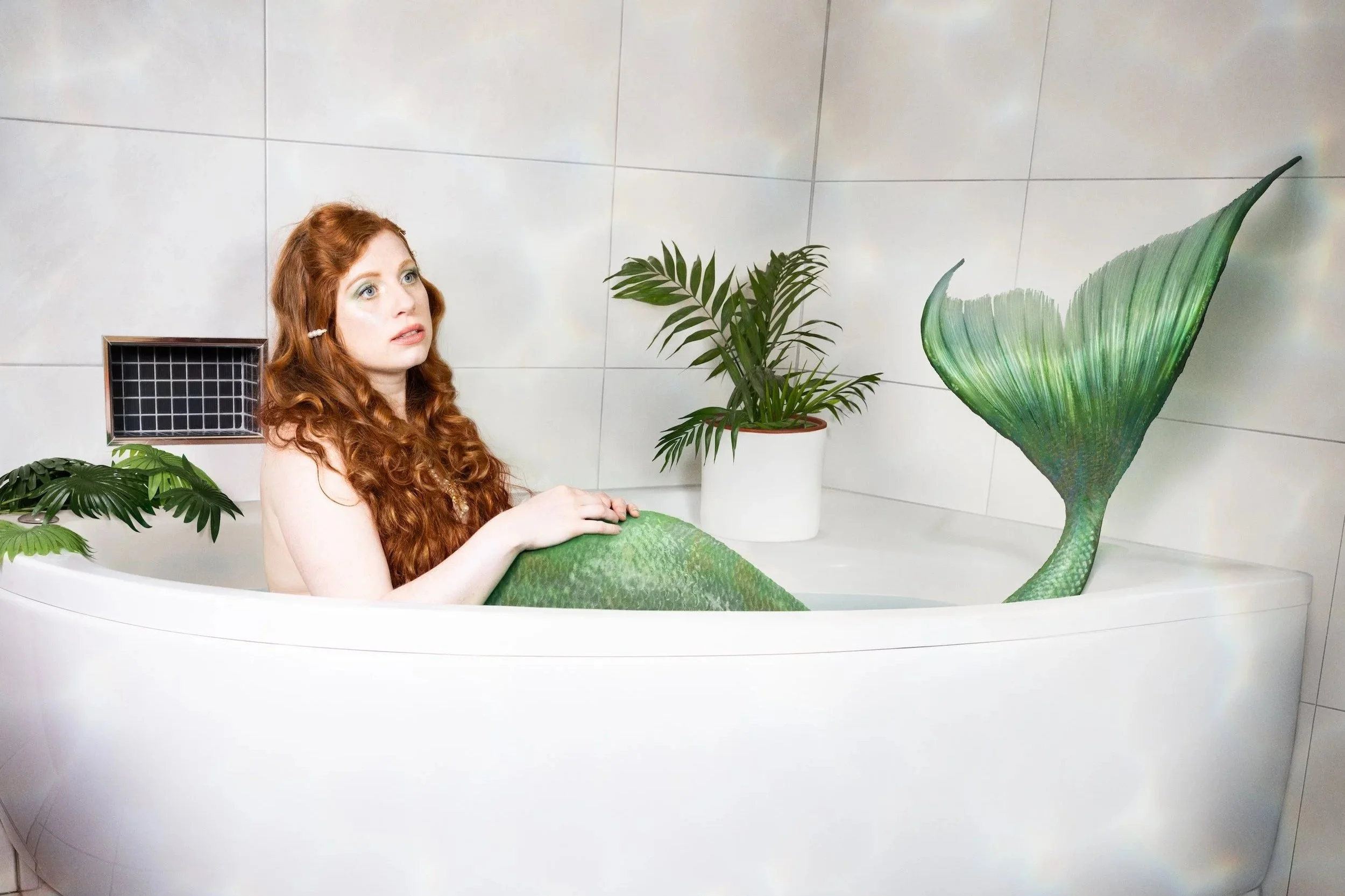
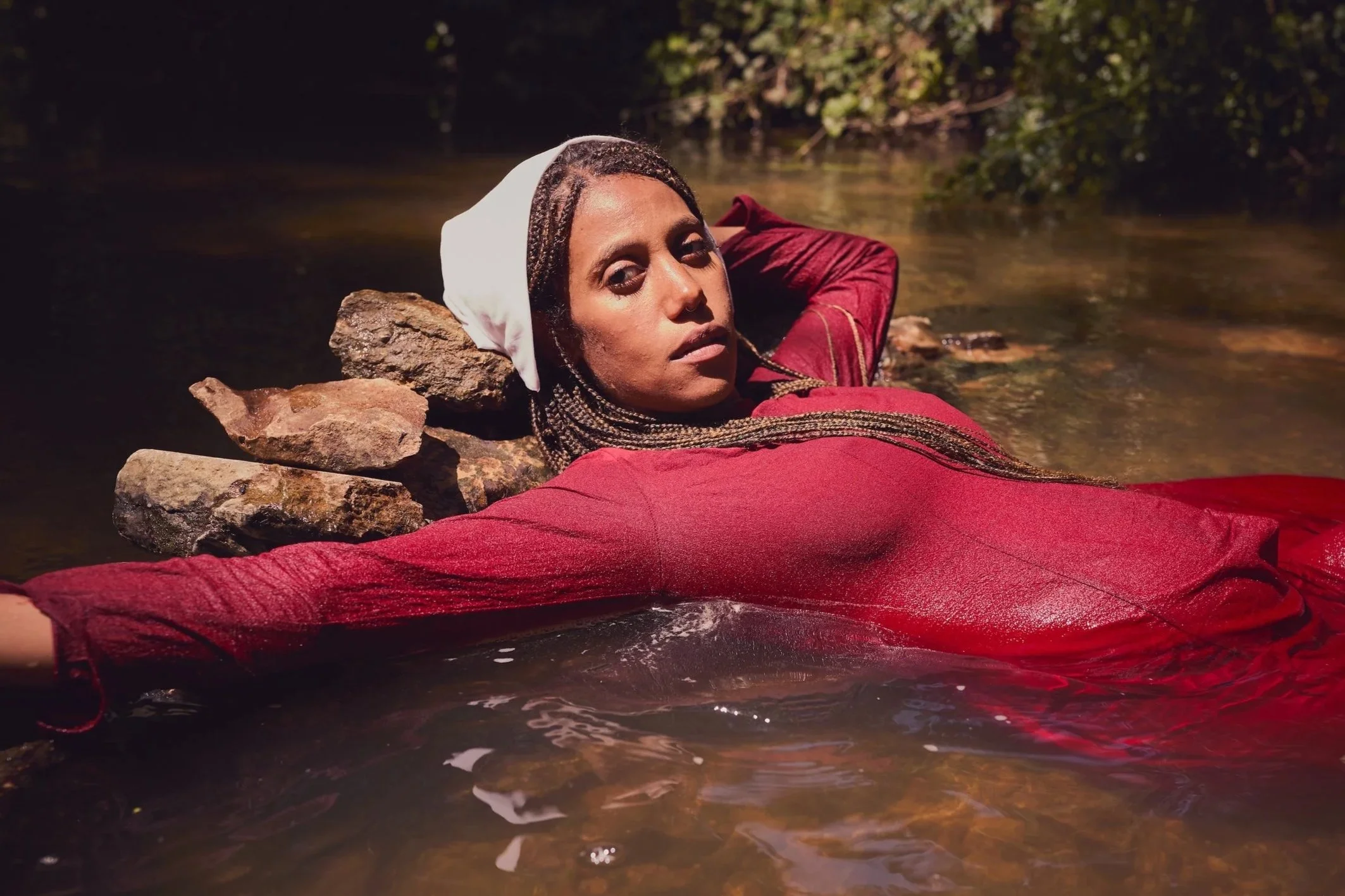
Image: Trudy Stade
The Edinburgh Fringe is back for 2026, and with it, our annual feature series! This year, we’re taking on POWER: Who’s got it? Where is it? Where should it be? How do you get it? Our comedians are the only ones with the answers.
By Eleanor Morton
As Monty Python once said: ‘Strange women lying in ponds distributing swords is no basis for a system of government’. It is, however, a good basis for my Fringe show.
The Mermaid is all about my fascination with watery bints and their allure over the centuries. And because I love to laugh AND learn, I did a whole bunch of research about mermaids and other water spirits to prep for it.
From the ancient Syrian goddess Atargatis to the Sirens of Homer’s Odyssey (actually, they started out as these bird creatures, but for some reason became fish over time), women and water have been connected. Almost every culture in the world has some sort of female water spirit or goddess. Mami Wata in several parts of Africa, or the Ningyo of Japan. Or the Rusalki of Salvic folktales. But WHY are women and water so connected across the globe?
Women and water have two things in common (according to legend, anyway). First of all, they are givers of life – in many places, fertility and water are interconnected, and embodied in female goddesses. Aphrodite, Greek goddess of general sexiness, was born of sea foam (don’t ask how). In Catholic culture, many female saints are associated with wells and springs, such as St Winefride, whose head was rudely lopped off by a guy who was sexually harassing her. A spring burst forth from where her head landed, and is still there today, in Holywell, Wales. Springs like Winefride’s usually have healing properties – the properties that somehow helped Winefride's head become miraculously reattached to her body.
In France, there is the legend of Melusine, a half-fish-half-women who was the result of a liaison between the King of Scotland and a fairy. After being cursed by her own mother for various reasons we don’t have time to go into, Melusine would transform into a half sea serpent (or a snake, or a dragon) creature every Saturday. When her husband discovers her bathing her weird snake self one weekend, she transforms into a dragon and flies away. While being interrupted in an unglamorous bathroom moment is embarrassing (I suppose the modern equivalent might be the first time your boyfriend sees you shaving your legs in the shower), it’s perhaps an overreaction to turn into a flying reptile.
The second thing women and water supposedly have in common is their dangerous and unpredictable nature. In stories about the ocean, female water spirits embody the alluring yet deadly powers of water. Mermaids and their Greek counterpart, Sirens, are strongly associated with deception, trickery and death. In fact, the Siren’s famous song was not simply a ‘come here big boy’ ballad, but a song promising all the knowledge of the world to the listener, a sort of reverse-Eve-and-the-snake story. Reports of beautiful sea women and singing to lure sailors to their deaths are found throughout the centuries, and even Christopher Columbus reported seeing some on his way to the Americas (though he describes them as ‘man-like’ and not that attractive, which I think is mean).
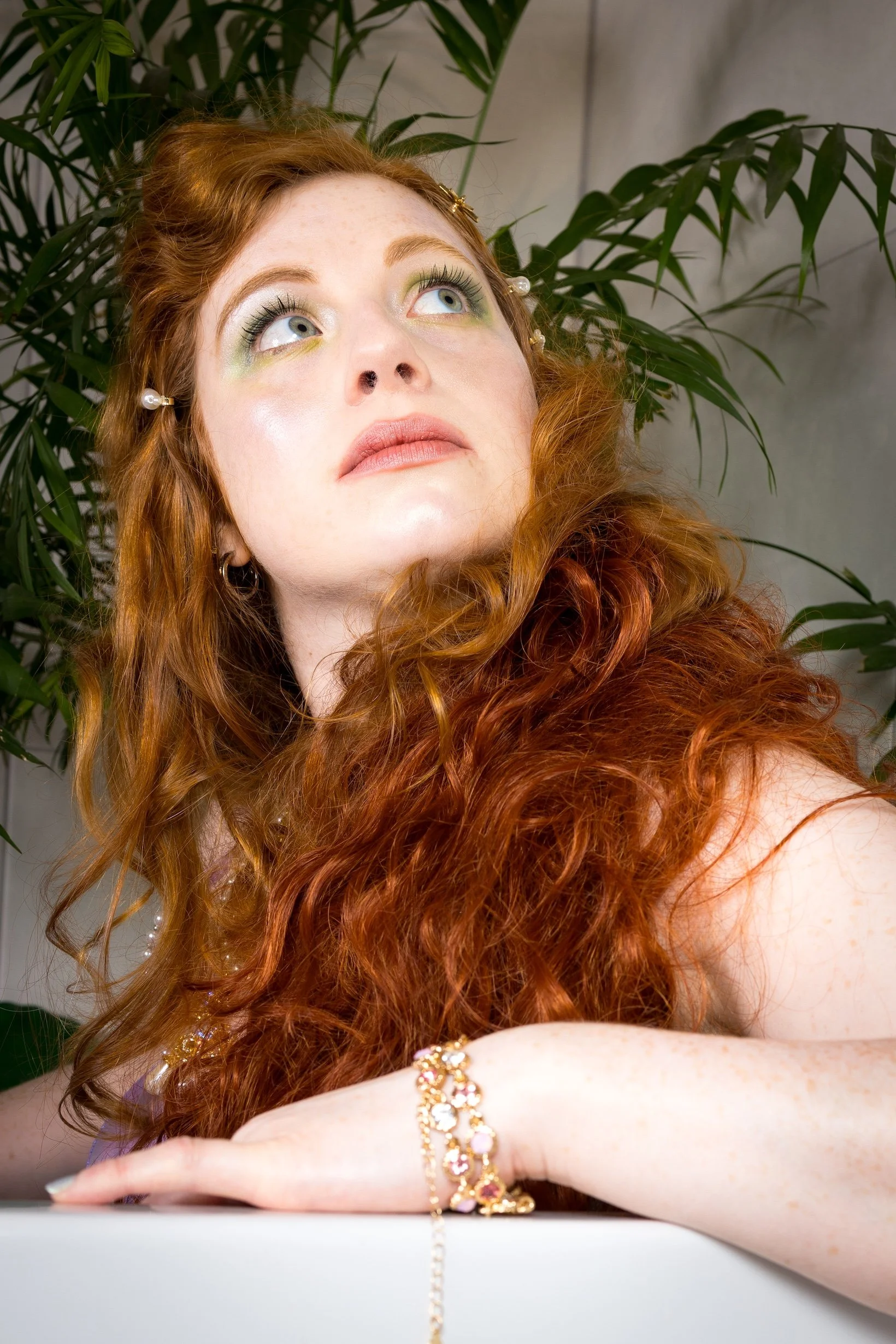
The misogyny inherent in using women to represent a deadly natural force has somehow failed to prevent women from becoming mermaid obsessed, myself included. Today being a mermaid can even be a full time job, aided by underwater breathing apparatus and a pricey £1k silicone tail. But whilst it looks glamorous from the outside, modern mermaids spend much of their time shivering by the side of tanks and fighting off constant ear infections.
But we are still left with the question: why women and water? In the Seedtalk on mermaids I attended in April, Professor Diane Purkiss hypothesised that it all stems from the ancient idea that people are made up of four 'humours'; blood (hot and wet), yellow bile (hot and dry), black bile (cold and dry) and phlegm (cold and wet). Women are more often associated with phlegm, the humour characterised by water and cold, whilst men are more associated with hot, dry yellow bile.
So we women, apparently, are naturally colder and wetter than men, which is why we crave their hot, dry bodies, which we subconsciously believe will balance us out. This is also the reason so much mythology links women to the moon, a celestial object often associated with the tides and the cold, dark night time. There is some truth to this idea – after all, menstrual cycles have been scientifically linked to phases of the moon – a mini tidal pattern inside our own body. But the idea that us inherently soggy females are driven solely by a desire to ensnare a hot, dry bloke? That I find less convincing.
Eleanor Morton: The Mermaid is running at Monkey Barrel (Cabaret Voltaire) from Aug 6-30 (except Mondays and Tuesdays). Tickets here
Read more about Edinburgh Fringe 2026: